
About Me

I am a nonprofit communications expert committed to driving transformative social movements through strategic storytelling. With a background rooted in social services, I have dedicated my career to missions that help individuals navigate systemic barriers and access the rights, justice and care they need to thrive. Guided by my core values of equity and authenticity, I work to ensure that every message reflects dignity, inclusivity and the lived experiences of those closest to the work.

Featured Articles

Explore a featured selection of my writing work below.

Unbreakable threads

In a moment of increasing restrictions, stigma and backlash against reproductive rights, our movement needs more than street protests and policy wins. We need authentic voices of connection and inspiration.
With this writing series, we offer an invitation to slow down and bear witness to the personal healing and resilience each author generously shares. These essays and poems explore resilience as it is lived: imperfect, ongoing, and deeply human.
We believe resilience is a practice—a collective...
Expanding access to contraception

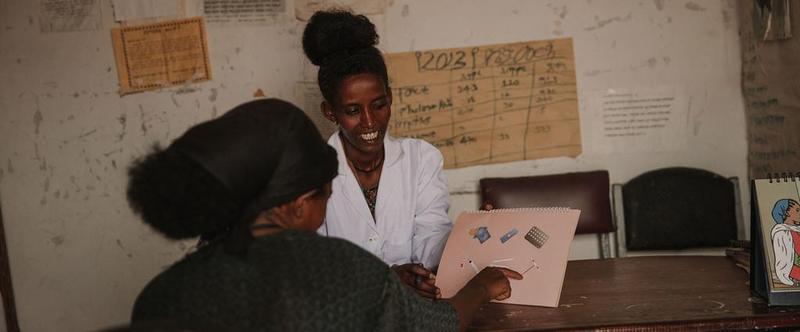
People with unintended and unwanted pregnancies will seek out abortion services—whether or not they are legal and safe. Each year, the unmet need for contraception contributes to an estimated 35 million abortions with unsafe methods, many resulting in serious injury or death. If everyone in low- and middle-income countries had access to contraception, studies show that unintended pregnancies, unsafe abortions, and maternal deaths could drop by nearly two-thirds.
That’s why our comprehensive appr...

Building evidence to expand abortion access

Our research helps inform strategies for expanding legal abortion access, public financing for abortion care, public policies that support bodily autonomy and strategies to counter the anti-rights movement. Studies include:
Our research seeks to understand individual autonomy and the factors like stigma and community norms that can hinder or help a person to access needed reproductive health care. Our studies also evaluate interventions to expand people’s autonomy when it comes to seeking aborti...

Advancing disability-inclusive reproductive health care

More than one in five women globally has a disability. Yet across the world, people with disabilities are routinely denied access to health care, with devastating consequences for their autonomy and well-being.
Here’s how reproductive health systems continue to fail them:

More than one in five women globally has a disability. Yet across the world, people with disabilities are routinely denied access to health care, with devastating consequences for their autonomy and well-being.

Here’s how rep...

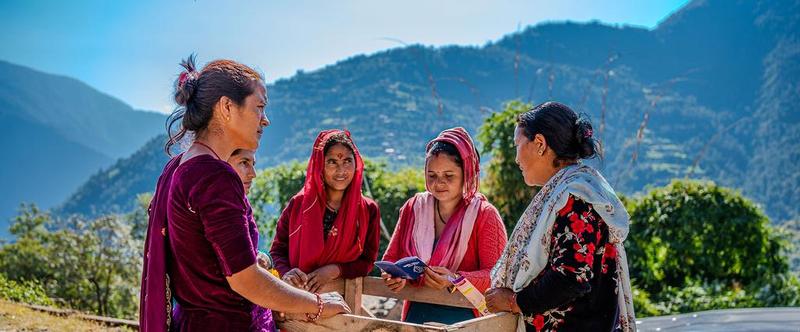
Meet Nepal’s Natural Leaders: Women-led climate justice in action

Nepal ranks among the world’s most climate-vulnerable countries, and its unique geography is both stunning and fragile. Climate disasters—earthquakes, flash floods, and prolonged droughts—are hitting harder and more frequently. And with every crisis, existing inequities grow.
Roads to clinics wash away. Water sources run dry. Health centers are hours away by foot. In this terrain, something as normal as getting your period or needing contraceptive services can become a dangerous struggle for wom...

Safe abortion pills, close to home: evidence from Nigeria

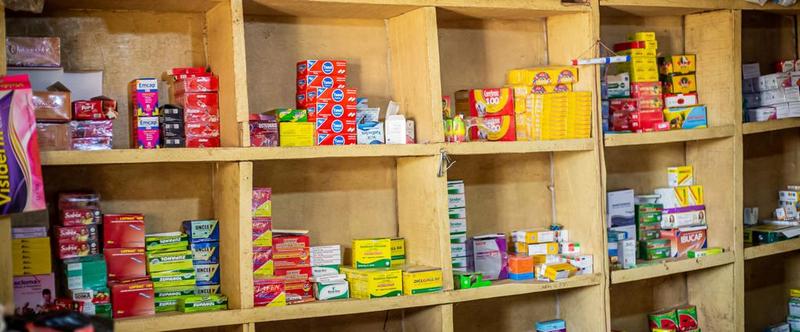
She knows the person at the medicine stall by name. She has seen them there for years: a friendly face behind the narrow counter, a part of her community. The nearest clinic is three hours away, and she doesn’t have three hours or the money that the clinic requires. So, she goes where she has always gone.
For many women in Nigeria, abortion care does not begin in a hospital or formal clinic. It begins in neighborhood medicine shops, where local drug sellers known as patent medicine vendors (PMVs...

6 key insights to help fight abortion stigma from our 2025 research

Abortion stigma targets people who seek abortions, their health-care providers, and anyone associated with abortion care. Research has long shown that stigma increases unsafe abortion because when people delay or avoid care out of fear of judgment, they are more likely to seek out unsafe options.
Stigma also distorts how communities understand abortion in the first place—fueling the myth that it is rare, or that only ‘certain types of women’ seek it. (In reality, abortion is a common experience...

Rising together: How grassroots leaders are lifting the next generation in Nepal

Everything shifted for Khatri when she was selected for Natural Leaders training through Ipas Nepal, a five-day program designed for women with the potential to influence change in their communities. The training covers sexual and reproductive health and rights, safe abortion, family planning, gender-based violence, and climate resilience.
“Only after I went for the five-day training at Ipas Nepal, I learned a lot of things,” she says. Armed with knowledge and advocacy skills, Khatri began condu...

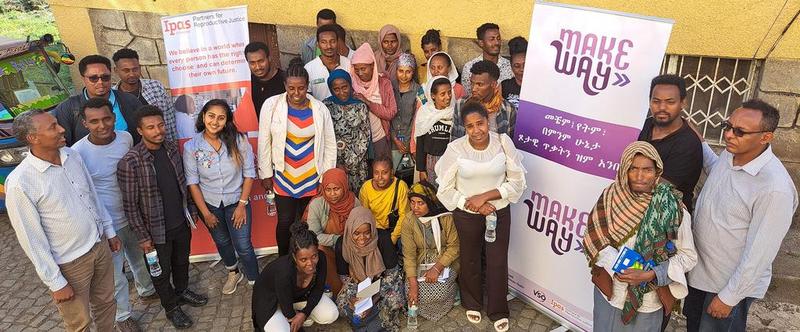
Youth voices, inclusive health: Expanding reproductive health access for young people in Ethiopia

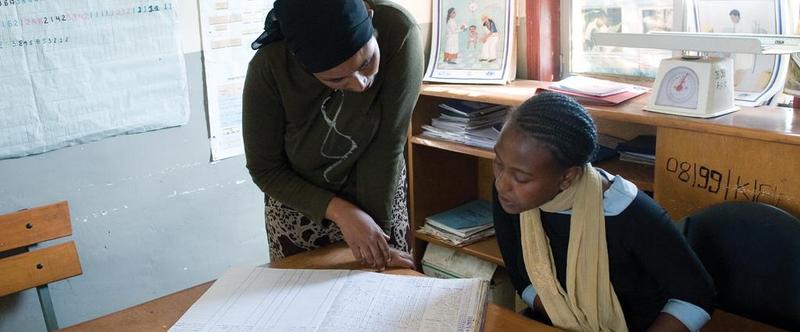
Many young people in Ethiopia—especially those displaced or living with disabilities—face overwhelming obstacles to accessing sexual and reproductive health and rights (SRHR) services. According to a 2025 UNICEF report, there are nearly 4.5 million displaced people in Ethiopia due to civil war and ongoing conflict. A significant portion of them are youth, navigating disrupted lives and disjointed systems. Their futures can depend on information and care they receive now.
Displacement not only se...

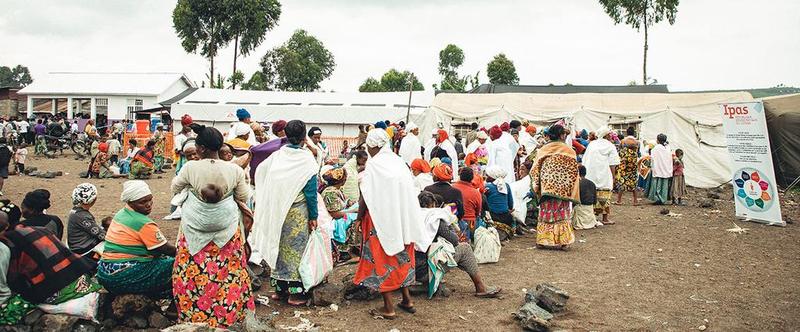
A race against time

“We all know that war is unplanned—we don’t know when we are going to get displaced,” says Dr Celestine, sharing the story of a woman she treated at the mobile clinic. “She was in the garden and then suddenly heard bombs. She ran to her home; no one was there. All her family had left, and she had to run alone to Goma. But when she was running alone, she got raped by four men.”
Once at the Kanyaruchinya camp, the woman reunited with her family. However, she began to suffer symptoms of a vaginal i...

“Start where you are. Use what you have. Do what you can.”

Arthur Ashe